
Back Pain: When to Stop Waiting It Out
Almost everyone gets back pain at some point. You lift a box the wrong way, sleep at a bad angle, or spend a week hunched over a desk, and your lower back lets you know about it. The good news is that most of these episodes quiet down within a few weeks. The trouble is that "most" is not "all", and waiting it out is only a good plan while the pain is actually improving.
The pattern matters more than the intensity
A sharp spasm that eases a little every day is usually behaving the way ordinary strain behaves. A dull ache that has not changed at all in three weeks is telling you something different, even though the sharp one hurt more.
Track two things: whether the pain is trending down, and whether it is spreading. Pain that stays put in one area and slowly fades is the common story. Pain that starts traveling into the buttock, thigh, or calf is worth having someone look at, because that often points at a nerve rather than a muscle.
Signs that deserve a call sooner rather than later
Some symptoms move you to the front of the line: numbness or tingling running down a leg or arm, weakness that makes your foot drag or your grip give out, pain that wakes you from sleep every night, or back pain that arrives with fever or unexplained weight loss.
Any loss of bladder or bowel control alongside back pain is an emergency, not an appointment. That combination needs to be evaluated the same day.
Back pain that starts right after a car accident or a fall at work is its own category. It is common for the worst of it to show up a day or two later, once the adrenaline wears off, and an early exam creates a record of what happened while the details are fresh.
What an evaluation actually involves
A first visit is mostly conversation and movement. Where does it hurt, what makes it worse, what were you doing when it started, what have you already tried. Then a hands-on exam: how far you can bend, what your reflexes and strength look like, whether specific positions reproduce the pain.
Imaging is not automatic. X-rays and MRIs are useful when the exam raises a specific question, and less useful when they simply document the ordinary wear that most adult spines show. A good workup earns its imaging rather than starting with it.
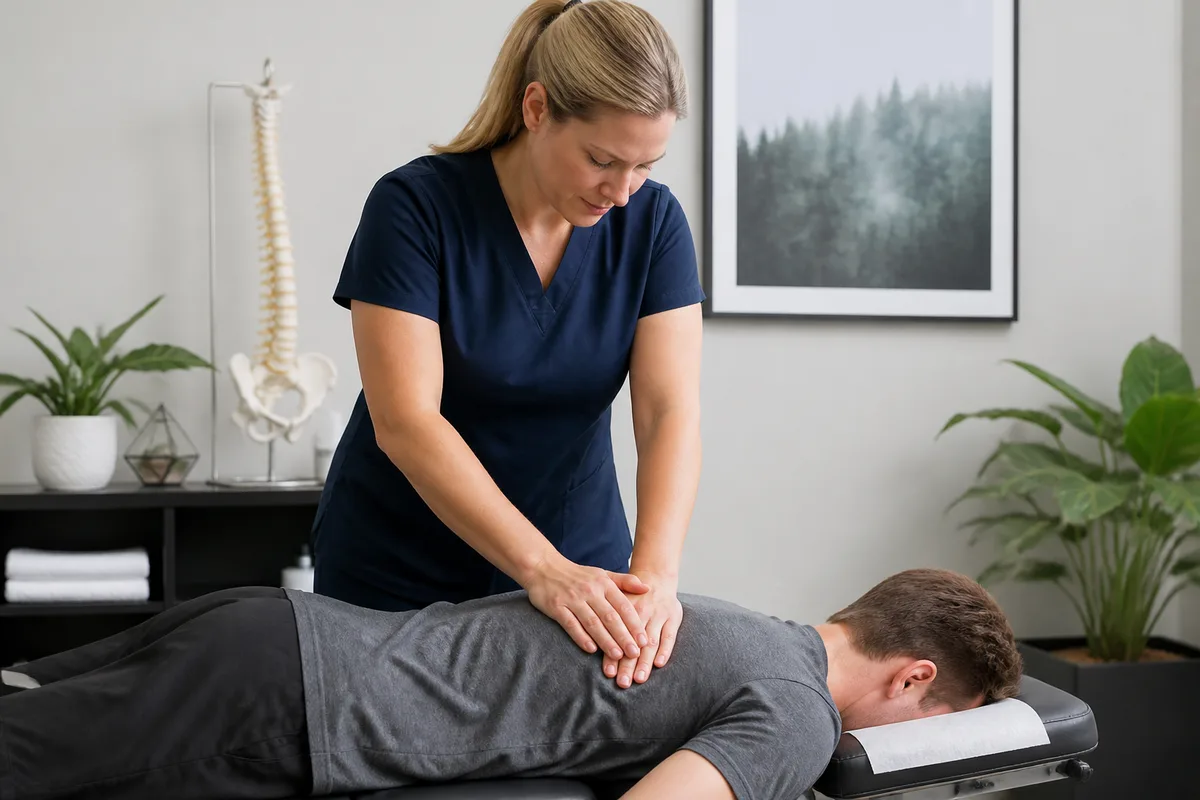
Where a multi-specialty practice helps is what happens next. If the exam points at joint mechanics, chiropractic care and manual therapy are on the table. If it points at a nerve, neurology and electrodiagnostic testing can define it. If it points at something structural, orthopedics can weigh in. You are not being handed a referral to another building and another wait.
What you can do while you wait for the visit
Keep moving within reason. Extended bed rest was the old advice and it tends to make things stiffer and slower to recover. Short walks, gentle range of motion, and changing positions often are usually better tolerated than either heavy activity or total stillness.
Note what helps. If heat loosens it and ice does nothing, that is information. If sitting is fine but standing for ten minutes is not, that is information too. Bringing that pattern to your visit shortens the road to a plan that fits.
Questions about your own care? The team at Zeren Health is happy to help — call us at (718) 733-1000 or request an appointment.
This content is for general information only and isn't medical advice. Check with your provider or doctor before you start a new exercise or treatment. If you have a medical emergency, call 911.