
Sciatica, Explained: Why Leg Pain Starts in Your Back
Sciatica describes pain that travels along the path of the sciatic nerve, which runs from the lower back through the buttock and down the back of the leg. The pain shows up in the leg, but the source is almost always higher up, where something is irritating the nerve near its root. That gap between where it hurts and where the problem is causes a lot of wasted treatment.
What actually irritates the nerve
A herniated disc is the classic cause: the soft center of a spinal disc pushes outward and presses on a nerve root as it exits the spine. Spinal stenosis, a narrowing of the space the nerves travel through, is more common with age and tends to hurt more with standing and walking than with sitting.
Other causes include a shifted vertebra, arthritic changes at a joint in the back of the spine, and muscular compression deeper in the buttock. Each of these produces leg pain, and each responds to a different approach, which is why "I have sciatica" is the start of an evaluation rather than the end of one.
How it usually presents
Most people describe a sharp, electric, or burning line rather than a broad ache, and typically on one side. It often worsens with sitting, coughing, or sneezing when a disc is involved. Numbness, pins and needles, or weakness in the foot can travel with it.
A useful detail to bring to your appointment is how far down the leg the symptoms reach. Pain that stops at the buttock, pain to the knee, and pain into the foot point at different levels and different degrees of nerve involvement.
What an evaluation looks for
A hands-on exam checks reflexes, strength in specific muscle groups, and sensation in specific patches of skin, because each spinal nerve serves a predictable territory. Positions that stretch the nerve are tested to see whether they reproduce the pain.
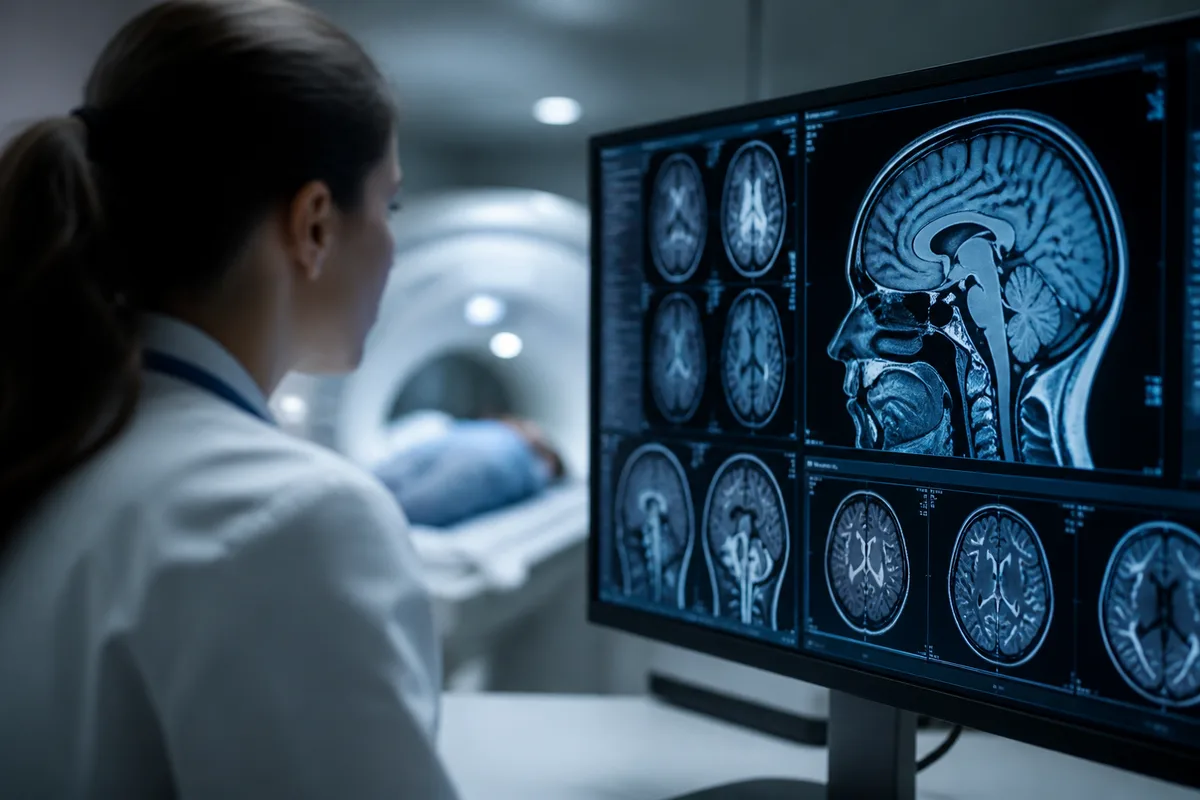
When the picture is unclear or symptoms are not improving, imaging or electrodiagnostic testing can localize the problem more precisely. An EMG and nerve conduction study measure how the nerve is actually functioning, which an image cannot show.
Treatment follows the cause
The large majority of sciatica improves without surgery. Depending on what the exam finds, care may involve specific directional exercise, manual therapy, spinal decompression, activity modification, anti-inflammatory measures, or targeted injections when conservative care has not been enough.
Red flags change the timeline. Progressive weakness, numbness in the area that would contact a saddle, or any change in bladder or bowel control needs immediate evaluation rather than a course of conservative care.
Questions about your own care? The team at Zeren Health is happy to help — call us at (718) 733-1000 or request an appointment.
This content is for general information only and isn't medical advice. Check with your provider or doctor before you start a new exercise or treatment. If you have a medical emergency, call 911.